
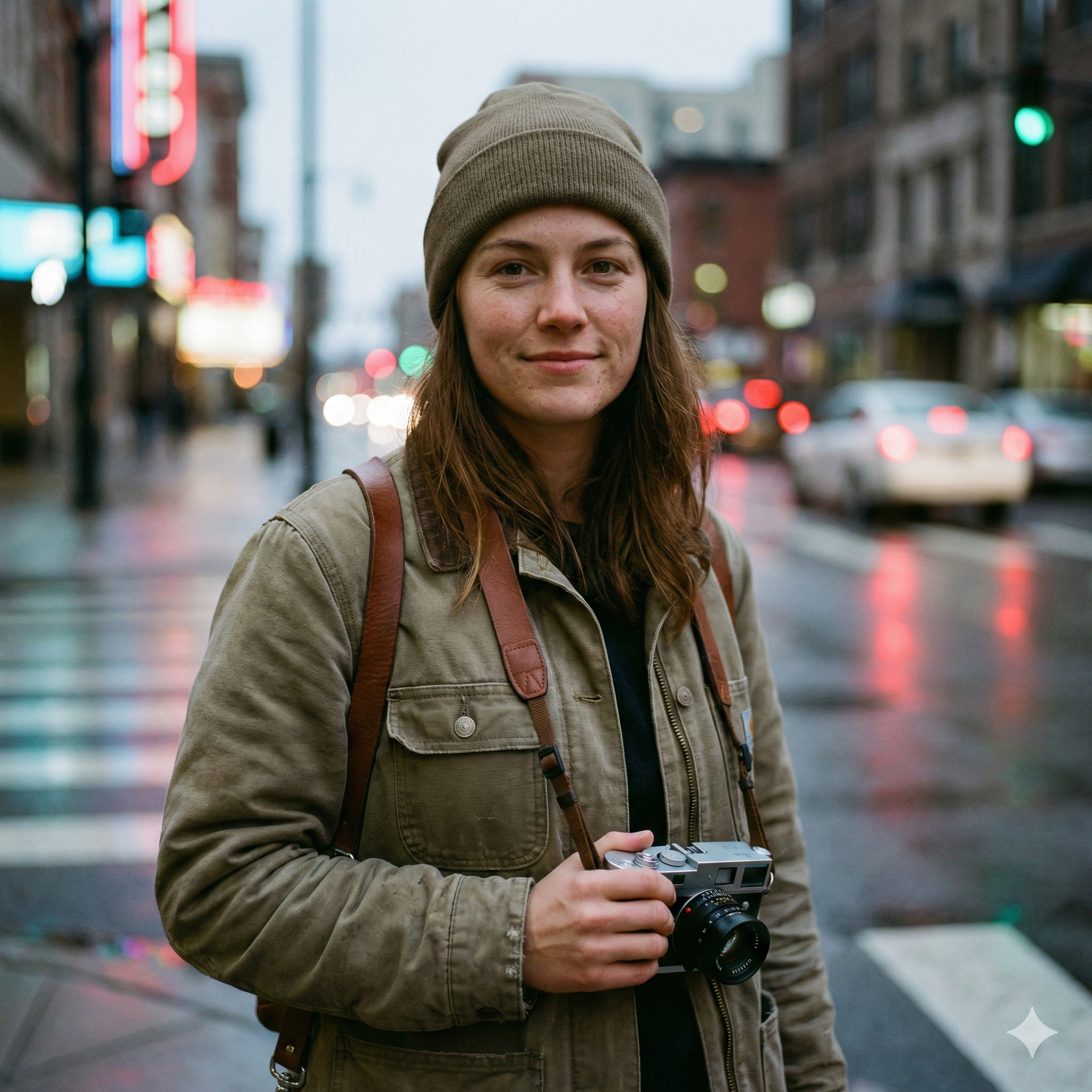
Capturing compelling street portraits requires both technical skill and a genuine connection with your subject. In busy environments, achieving sharp faces in real, candid Shadow Play in the City: Turning Light into a Subject moments can be challenging yet rewarding. Understanding your camera settings and how to approach strangers are crucial elements for creating unforgettable street portraits.
Unlike studio shoots, the unpredictability of the streets demands quick thinking and adaptability. Lighting and movement change rapidly, so photographers must be prepared to adjust their settings on the fly. This dynamic environment often leads to unique, authentic portraits that tell a story.
Many aspiring street photographers struggle with blurry results or tense encounters with subjects. Learning the right camera settings for street portraits, as well as techniques for candidly approaching people, makes all the difference. Mastering these skills will elevate your images and help you avoid common mistakes.
Understanding the Street Portrait Environment
Shooting portraits on the streets is vastly different from controlled studio settings. The light, background, and distractions are constantly changing, which challenges even experienced photographers. Being aware of your surroundings allows you to anticipate interesting interactions and capture them at just the right moment.
It’s essential to respect people’s space and privacy when photographing strangers. Approaching with kindness and clear intentions can positively Motion Blur Street Photos: Easy Settings for Creative Blur affect your subject’s comfort and the resulting portrait. Often, a simple smile or greeting helps break the ice and encourages cooperation.
Essential Camera Settings for Sharp Faces
To achieve sharp faces in your street portraits, specific camera settings are vital. Prioritize a fast shutter speed to freeze motion and limit blur, especially in bustling environments. Depending on the available light, an aperture between f/2.8 and f/5.6 typically provides both sharpness and pleasing background separation.
Autofocus mode selection plays a significant role in candid portraits. Continuous autofocus (AF-C/AI Servo) is recommended, as it tracks moving subjects and helps maintain crisp focus. Don’t hesitate to increase your ISO if needed; modern cameras handle higher ISO quite well, allowing you to maintain fast shutter speeds in dimmer conditions.
- Use a shutter speed of at least 1/250s to freeze movement.
- Set your aperture to f/2.8–f/5.6 for subject separation and sufficient depth of field.
- Enable continuous autofocus for unpredictable motion.
- Adjust ISO as needed to preserve exposure and sharpness.
- Consider using single-point focus for better face detection.
Approaching and Photographing Strangers
Approaching strangers on the street can be intimidating, but it is often essential for authentic portraits. Confidence, respect, and clear communication Consistency in a Street Portfolio: Style, color, and mood are key to a positive interaction. Explain your intentions and assure your subjects that you will respect their wishes regarding the use of their image.
Some photographers prefer candid shots, capturing moments without direct engagement. Others value direct eye contact and a brief conversation with their subject. Both approaches can yield powerful results, but always prioritize consent and ethical practice.
Common Mistakes and How to Avoid Them
Street portraiture comes with several pitfalls for beginners. One common mistake is using too slow a shutter speed, resulting in motion blur or soft focus. Another is neglecting to check focus points, which can mean the subject’s face is not as sharp as intended.
Over-editing can also detract from the authenticity of street portraits. Rely on natural light and subtle post-processing to preserve the scene’s genuine feel. Reviewing your images on the spot allows you to catch technical errors before moving on.
Developing Your Street Portrait Style
As you gain experience, you’ll develop a unique way of seeing and capturing moments on the street. Experiment with different focal lengths and compositions to find what resonates with you. Some photographers favor tight headshots, while others include more of the environment to provide context.
Practice regularly and review the work of street portrait masters for inspiration. Over time, you’ll refine your technical skills and gain confidence in approaching new subjects.
Conclusion: Transforming Moments into Lasting Portraits
Street portrait photography is both an art and a technical challenge. Mastering camera settings and honing your approach to strangers will help you create portraits with sharp faces and authentic emotion. Remember to observe, adapt, and connect with your environment and subjects.
By avoiding common mistakes and continually refining your technique, your street portraits will stand out for their clarity Learn more and sincerity. Ultimately, these images become lasting records of real people and moments, captured at their most genuine.
Leave a Reply