
The composition framing definition is central to how creators structure and present their work, whether in photography, film, or art. This idea shapes how we see images and influences the story they tell.
In today’s digital world, attention spans are short. Therefore, strong composition and framing skills matter more than ever. Good framing guides viewers’ eyes and highlights the main message in photos, videos, and visual art.
In this article, we will explain what composition framing means. We will also look at its key principles, types, and real uses. If you want to improve your visual storytelling in 2026, this guide will help you understand and use these vital concepts.
Composition Framing Definition: The Fundamentals
Composition framing definition involves arranging visual elements within a frame to guide the viewer’s eye. In other words, this practice is about deciding what stays in and what stays out of the picture area. Therefore, it affects focus, balance, and mood.
Framing refers to the boundaries of the visual area. In photography, for example, the frame is the picture’s border—the edges seen through the viewfinder. Everything inside this space is part of the composition.
On the other hand, composition includes choices about where to place people, objects, shapes, and lines. Creators use these choices intentionally to tell stories or set moods. Because of this, the arrangement within the frame can change how viewers feel or react.
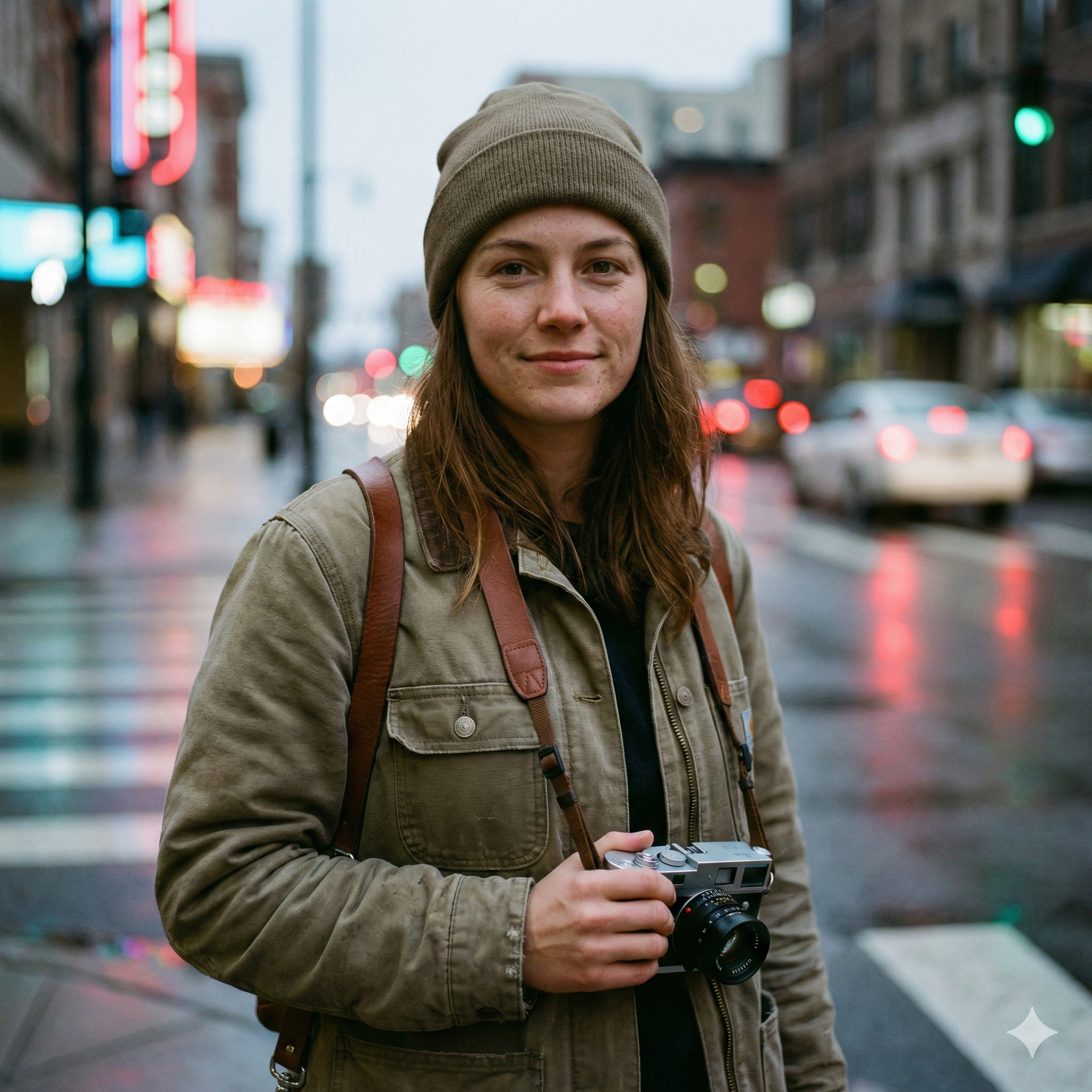
For example, a portrait photographer might use tight framing to focus on a person’s emotion. Alternatively, a landscape artist may use wide framing to show vast scenery and context. The meaning changes with each approach.
In short, the composition framing definition connects these two ideas. It is about both the boundaries (framing) and everything arranged within those boundaries (composition).
Why Composition Framing Matters
This practice matters in every visual field. For instance, a well-framed photo draws attention where you want. Poor composition, however, confuses or loses viewers. Google’s 2026 image search trends show that images with strong composition get more engagement and shares.
Video creators also use framing to direct the viewer’s focus. As a result, even TikTok and Instagram influencers rely on these same core ideas to create scroll-stopping content. In fact, Harvard’s digital storytelling research shows that careful framing increases viewer retention by up to 34%.
Seeing that, it’s clear: mastering this definition unlocks power in any visual field today.
Key Principles of Composition and Framing
The rules and guidelines behind composition and framing help artists and creators make impactful work. These principles have been established by centuries of visual art and refined in the digital age.
First, the “rule of thirds” is one of the best-known framing concepts. It means dividing the image into three rows and three columns. Placing key elements along these grid lines creates natural balance. For example, photographers often place a subject’s eyes on a grid intersection for maximum impact.
Leading lines are another central idea. Lines, such as roads, fences, or even arms, guide the viewer’s gaze toward the main subject. Because of this, many classic photographs use paths or bridges as framing tools.
Balance also plays a major role. Creators use symmetry or intentional asymmetry to make an image feel stable—or dynamic. Too much visual weight on one side, however, can leave the viewer feeling off-balance.
Framing within the frame is an advanced strategy. For example, a window, door, or archway inside a picture acts as a “frame within a frame.” This approach draws the viewer’s eye even deeper and creates context.
Color and contrast influence composition, too. Warm colors (reds, oranges) often pop forward, while cool colors (blues, greens) recede. In addition, light and shadow can frame the subject naturally, making them stand out.
Finally, negative space is used by many successful artists. Leaving empty space around a subject focuses attention and adds elegance. Apple’s product images are famous for their expert use of negative space.
Because of these principles, even casual photographers can improve with practice. Tools, such as grid overlays on smartphone cameras, help apply these rules in real time.
Common Mistakes and How to Avoid Them
New creators often commit a few errors when learning to frame a shot or artwork. One mistake is centering everything. While sometimes effective, always placing the main subject in the middle can lack visual interest.
Another error is clutter. Too many objects in one shot confuse the viewer, with no clear point of focus. Therefore, pare down subjects and use negative space for clarity.
Ignoring background distractions is a third mistake. Candid street shots or portraits can fail if an unwanted object “grows” out of a subject’s head. Always check all corners and edges before finalizing the frame.
In summary, using these principles helps creators avoid common pitfalls and improve every shot.
Techniques and Types of Framing in Photography and Visual Art
Understanding the composition framing definition means knowing how different framing types affect the viewer. Let’s look at some popular techniques and practical examples.
One major method is tight framing. This means filling most of the frame with the subject. For example, a close-up of a flower or a face, where little else is visible. This draws all attention to that main element and is popular in portrait and macro photography.
On the other hand, wide or loose framing shows the subject along with more background or context. Landscape photographers often use this to highlight the vastness of a scene. In film, directors use wide framing for establishing shots, showing where the story takes place.
Natural framing uses objects—like tree branches or archways—to surround the subject. This approach guides the eye and can give depth. Urban photographers, for instance, often shoot through windows, doorways, or fences for this reason.
Foreground framing adds layers. Placing objects in the front, such as leaves or hands, draws viewers into the image. This creates a sense of depth and story.
Geometric framing uses lines, shapes, and repeating patterns to structure the shot. Modern architecture photos show this well—rows of windows, bridges, and staircase spirals all act as frames.
Environmental framing, meanwhile, sets the subject in context. For example, showing a chef in a busy kitchen tells more story than a simple headshot. In 2026, lifestyle brands use this technique to connect products with real-life settings.
Each type sends a different visual message. Therefore, knowing when and why to use each one gives artists more control over their images.
Framing in Other Visual Fields
It’s important to note that these strategies go beyond just photo or art. For example, in web design, banners and ads use framing principles. Well-framed website images keep visitors engaged and guide clicks. Strong framing improves ad performance and brand recall.
Likewise, even in comics or storyboards, panel size and shape frame the action. As a result, story flow and pacing improve with careful composition.
Composition Framing in Digital Content Creation: Trends and Tools for 2026
With the rise of mobile photography and social media, the importance of mastering the composition framing definition has grown sharply. In 2026, content is produced and shared at record rates. Good framing makes your work stand out in this crowded visual market.
Instagram’s algorithm, for example, still rewards visually engaging content. Posts that use strong composition see more likes and comments. According to recent Statista 2026 reports, more than 70% of top-performing social posts use the rule of thirds or some form of intentional framing.
Smartphones and apps have made these skills easier to use. Built-in grids, AI cropping, and live editing previews let even beginners use high-level composition techniques. For instance, apps like Adobe Lightroom for mobile include composition overlays and auto-suggests cropping for better framing.
In video, platforms like TikTok and YouTube Shorts reward creators who use good visual composition. Strong framing, quick cuts, and balance within the screen lead to more watch time, according to Google’s 2026 creator analytics.
Virtual reality and augmented reality, both growing fields, demand new awareness of framing. The “frame” expands in 3D spaces, so creators use spatial cues and foreground elements to guide the viewer in immersive content.
Because of these trends, learning the basics of composition and framing has become essential for artists, marketers, educators, and everyday users. Personalized AI feedback tools will continue to grow, offering instant tips on how to tweak photos before sharing.
Educational Resources and Courses
In response to demand, top universities and platforms now offer online courses in visual storytelling and framing. Free resources from the Museum of Modern Art teach composition theory with real artwork examples. Many YouTube educators focus on mastering framing for social media and digital portfolios.
On ifundxo.com, you’ll find ongoing reviews and breakdowns of tools and courses aiming to improve your composition skills. This ensures creators of all levels are supported as the digital landscape evolves.
The Role of Personal Style in Composition and Framing
While the composition framing definition gives us a framework, individual style plays a big part in how these rules get used. No two creators will make the same choices with framing, even in similar scenes.
Some artists are known for wide, spacious compositions. Others prefer close, intense framing to capture emotion. For example, street photographers like Henri Cartier-Bresson made the “decisive moment” famous by catching action in perfectly balanced frames.
In other cases, famous Instagram creators use extreme negative space for a minimalist look. Bold color blocking makes product shots pop. Even social media memes use framing styles to grab attention and start trends.
Personal style develops with practice, but is grounded in core principles discussed earlier. Breaking the “rules” is often what creates unique, memorable work. For instance, ignoring the rule of thirds and going for symmetry can make your brand look modern and sleek.
Experimentation is the key. However, studying masterworks and analyzing popular content builds your framing “toolkit.” Looking at how global campaigns use framing to drive engagement can inspire new ideas for your own projects.
Finally, as AI and automated tools grow in popularity, personal style still sets creators apart from generic or stock content. Applying the composition framing definition with your own voice makes your visuals stand out in 2026.
Conclusion
In summary, understanding the composition framing definition is fundamental for anyone involved in visual creation. This approach determines how viewers experience photos, videos, artwork, and even website design.
We covered how framing sets the boundaries and composition arranges what’s inside. Key principles—like the rule of thirds, balance, and use of lines—make images more compelling and memorable. In the digital age, using these skills helps your work rise above the noise.
Whether you’re a photographer, content creator, designer, or hobbyist, mastering framing and composition pays off. Therefore, use the techniques, examples, and resources in this guide to start improving your visual storytelling today.
For more in-depth guides and tools, explore the Composition & Framing category here on ifundxo.com. In 2026, your ability to frame and compose will set your work apart—now is the time to learn and refine these essential skills.

Leave a Reply