
Street photography thrives on moments of authenticity and urban energy, yet composition remains at its heart. Many beginners overlook the power of simple framing techniques, Cloudy Day Street Photography: Making Flat Light Look Good especially when working within the city’s dynamic environment. Mastering center framing can elevate your minimal street shots, giving them an immediate impact and visual clarity.
Learning to use center framing effectively is about more than just placing a subject in the middle of your frame. It’s a deliberate choice that can create balance, focus, and a strong narrative in your images. When done right, it transforms everyday street scenes into compelling visual stories that resonate with viewers.
This guide will introduce you to the essentials of center framing in street photography, providing practical tips and best practices. You’ll understand how to avoid common pitfalls and make your urban images stand out with minimalism and intention. Whether you’re just starting or refining your style, a centered approach can bring new life to your compositions.
The Appeal of Center Framing in Urban Photography
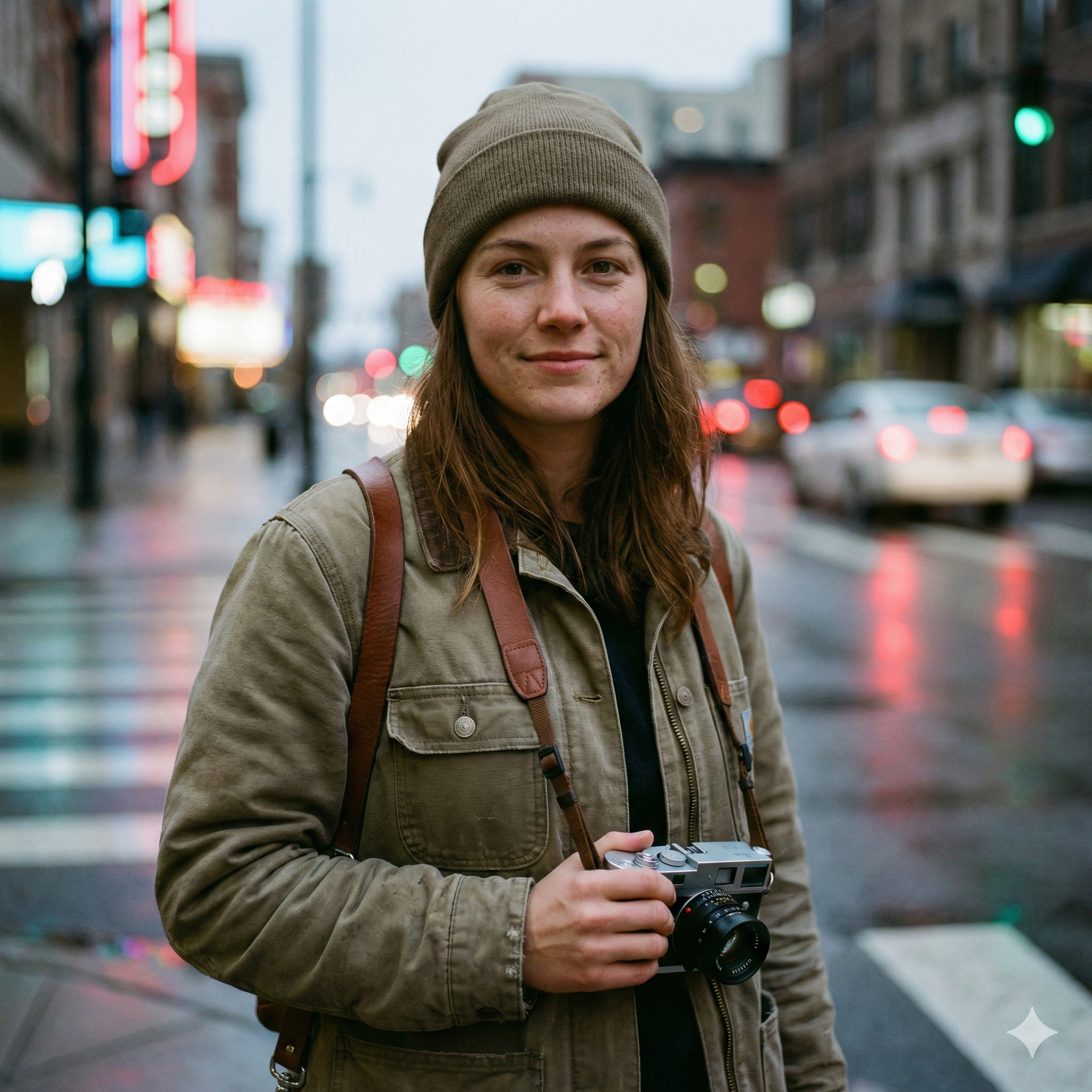
Center framing offers a sense of order in the chaos of city life. By positioning your subject at the heart of the frame, you direct the viewer’s attention immediately to what matters most. This simple approach can have a dramatic effect, especially in busy environments where distractions abound.
Minimal street shots benefit from this technique because it enhances visual separation, creating a clear distinction between subject and background. The Manual vs Aperture Priority for Street: What to Use First result is a clean composition that feels intentional and powerful. Even mundane elements can appear striking when given prominence through central placement.
Understanding Minimalism in Street Photography
Minimalism is about stripping away the unnecessary and highlighting the essence of your scene. In street photography, this often means seeking out uncluttered backgrounds and simple, strong lines. Center framing works well with minimalism because it removes ambiguity and draws all focus inward.
Try seeking locations with plain walls, repetitive patterns, or expansive negative space. These environments allow a centered subject to pop, making your shot more visually impactful. The less clutter in your frame, the more your subject can command attention.
Common Mistakes and How to Avoid Them
While center framing is straightforward, it’s easy to fall into traps that weaken your image. One mistake is ignoring background distractions, which can Noise Reduction Tips for Phone Editing (Keep It Natural) compete with your subject and diminish the minimalist effect. Another is failing to align your subject precisely, resulting in an off-balance composition.
Be aware of elements at the edges of your frame that might draw the eye away from the center. Use grid lines or the viewfinder’s guides to help with precise alignment. Consistency in your approach will improve the overall strength of your street shots.
Practical Tips for Stronger Centered Compositions
To maximize the impact of center framing, it helps to work with intention and patience. Scout locations ahead of time and wait for the right moment when a subject enters your ideal space. Sometimes, the best images happen when you blend observation with anticipation.
- Use your camera’s grid lines to ensure accurate centering.
- Look for leading lines that direct the viewer’s eye to the middle.
- Embrace negative space for a cleaner, minimalist look.
- Work with symmetry, using architectural features whenever possible.
- Be patient—wait for a compelling subject to enter your frame.
Experimenting with different focal lengths can also affect how center framing feels. A wider lens may emphasize space, while a longer lens can compress the scene and boost subject prominence.
Comparing Center Framing with Other Composition Methods
Many photographers are taught to avoid the center and instead use the rule of thirds for dynamic images. While this is useful, center framing offers a different kind of strength—clarity, stability, and a sense of calm.
In minimal street photography, centered compositions can feel more modern and graphic. When compared to more traditional methods, centering often creates a bolder, more immediate statement. Understanding when to break the “rules” can help you develop a distinctive visual style.
Best Practices for Beginners
If you’re new to street photography, start by practicing with easy-to-control settings and locations. Early mornings or late afternoons usually provide better light and quieter streets, making it easier to compose and concentrate. Focus on developing an eye for scenes with minimal distractions and strong visual simplicity.
Review your images critically after each session. Notice which shots feel balanced and which appear awkward due to slight misalignments. Over time, your sense for centered composition will become second nature, allowing you to capture more compelling frames with confidence.
Remember, the goal is not just technical accuracy but also visual storytelling. Each centered shot should communicate something unique about the urban environment and the people who inhabit it.
Conclusion: Bringing Intention to Your Street Images
Mastering center framing can transform your street photography, especially when paired with a minimalist approach. This technique provides a clear narrative and strong visual impact, allowing your subject to shine even in the busiest city settings. By applying these tips and best practices, you’ll create images that are both simple and powerful.
As you continue to explore urban photography, experiment with different methods but don’t be afraid to embrace the center. Over time, your Learn more compositions will reflect both your technical skill and your personal vision, setting your work apart in the world of street photography.
Leave a Reply