
Street photography thrives on capturing the raw essence of daily life, and natural light plays a pivotal role in defining its mood. Many photographers gravitate to golden hour, seeking warm, dramatic Manual vs Aperture Priority for Street: What to Use First skies, but cloudy days offer a different kind of beauty worth exploring. Understanding how to work with flat light can open new creative avenues and reveal hidden subtleties in your street scenes.
Overcast conditions may lack the contrast and color punch of sunrise or sunset, yet they present unique opportunities for balanced, nuanced imagery. Instead of battling the clouds, photographers can embrace the soft, diffuse light to highlight details, expressions, and urban textures without harsh shadows. Learning to see the potential in these muted conditions is a valuable skill for any street photographer.
This guide covers essential tips and comparisons between cloudy and sunny situations, helping you make the most of every shooting opportunity. From the differences between morning and afternoon light, to best practices for harnessing overcast skies, you’ll discover how flat light can enhance your storytelling. Let’s delve into the art of making cloudy day street photography look its best.
The Beauty of Soft, Diffuse Light
Cloudy days act as a giant natural softbox, spreading light evenly and minimizing harsh contrasts. This gentle illumination is ideal for capturing subtle facial expressions and intricate city details without blown-out highlights. Street photographers who value even skin tones and a calm atmosphere often find that flat light produces exceptionally flattering results.
This type of lighting reduces the risk of deep shadows and blown highlights, making exposure easier to handle. Instead of dramatic light and dark areas, your Noise Reduction Tips for Phone Editing (Keep It Natural) subjects are rendered with a consistent luminosity. This allows for greater flexibility in post-processing and helps maintain an authentic, documentary feel.
Comparing Golden Hour to Cloudy Conditions
The golden hour is renowned for its warm tones and long, directional shadows, adding emotion and drama to street photos. In contrast, overcast days offer a cooler, more neutral palette with minimal shadow play. While golden hour emphasizes mood and atmosphere, cloudy light focuses on realism and subtlety.
Both conditions have their merits; the key is recognizing when each one suits your creative intent. If you’re aiming to capture genuine moments and urban detail, cloudy light may be your best ally. On the other hand, if you want to dramatize your scene or evoke nostalgia, the golden hour’s glow becomes your friend.
Morning vs. Afternoon: Flat Light Nuances
Even on cloudy days, light changes throughout the day, subtly influencing your images. Morning clouds tend to produce cooler tones and a sense of calm, perfect B&W Editing Basics: Exposure, contrast, and grain (simple guide) for portraying quiet city streets as they wake. Afternoon cloud cover can bring slightly warmer hues and busier scenes, adding energy to your compositions.
Pay attention to the direction and density of the clouds, as these factors can subtly shift the color temperature and mood. By being observant and adjusting your shooting approach, you can make the most of the available light at any time of day.
Best Practices for Street Photography on Cloudy Days
Shooting in flat light requires a slight adjustment in technique and mindset. Here are some tried-and-true tips to ensure your cloudy day street photos stand out:
- Embrace subtle colors: Use the gentle palette to highlight urban tones and interesting textures.
- Focus on composition: Without strong shadows, rely on lines, shapes, and layers to build compelling images.
- Increase your ISO if needed: Overcast skies may require higher sensitivity, but modern cameras handle it well.
- Capture emotions: Soft light is perfect for candid portraits, as it flatters features and minimizes distractions.
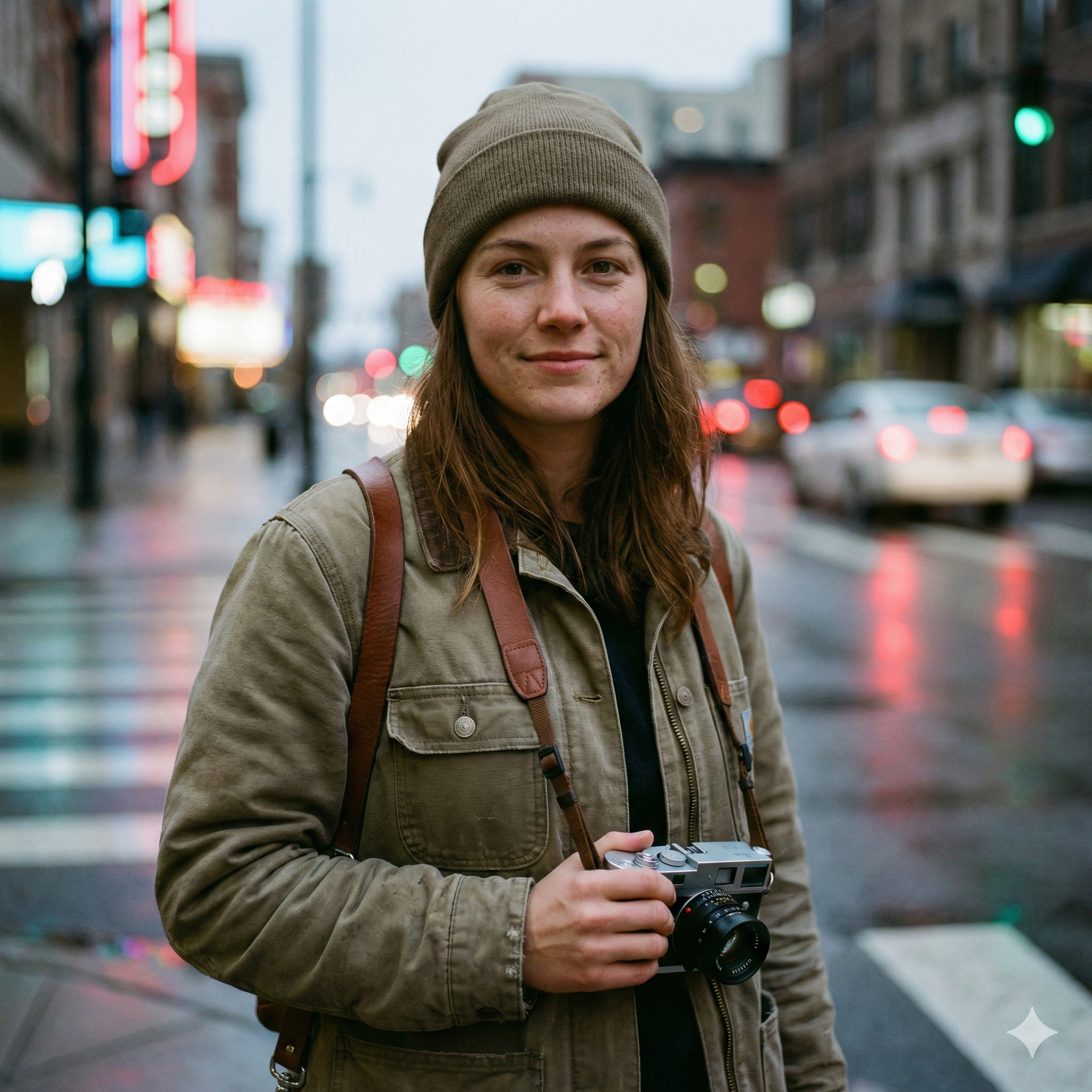
- Watch for reflections: Wet streets after rain can add depth and visual interest to your frames.
- Edit thoughtfully: Use post-processing to fine-tune contrast and bring out details without overdoing it.
By following these guidelines, you can transform potentially dull conditions into compelling street stories.
Harnessing Urban Mood in Flat Light
Cloudy days often evoke a sense of introspection, solitude, or urban melancholy—moods that can be powerful in street photography. Use the soft light to amplify these emotions, focusing on solitary figures, quiet interactions, or rain-soaked pavements. Emphasize the atmosphere by shooting through windows or capturing street reflections.
Experiment with black and white conversion to further enhance the mood. Flat light often translates beautifully into monochrome, where texture and form take center stage. The absence of harsh shadows can create poetic, timeless images reminiscent of classic street photography.
Conclusion: Unlocking Creativity in Overcast Conditions
Shooting on cloudy days challenges your visual instincts and encourages you to look beyond obvious light cues. By embracing the unique qualities of flat, diffuse light, you can create street photographs that stand out for their subtlety and depth. Remember that every lighting situation offers its own creative possibilities.
Whether you’re an early riser capturing the city’s quiet moments or an afternoon observer documenting urban hustle, cloudy days are full of Learn more potential. With mindful technique and an open eye, the flat light of overcast skies can become one of your most valuable photographic tools.
Leave a Reply