
Street photography thrives on the interplay of light and shadow, offering endless opportunities for creative expression. Finding strong shadows and dramatic reflections Wide-Angle Street: Including architecture without distortion can elevate simple urban scenes into compelling images. To master this craft, photographers must learn where and when to seek out the best shadow patterns and reflections.
Urban environments provide a rich canvas of textures, angles, and reflective surfaces. These elements can turn a routine stroll into a visual treasure hunt, especially when approached with an observant eye. Paying attention to shadow play and surface details can unlock new ways of seeing familiar streets.
Reflection photography, combined with bold shadow work, challenges photographers to balance technical skill with artistic vision. While these elements can be unpredictable, understanding the right conditions and locations will greatly improve your results. With practice and patience, you can capture mesmerizing moments that tell a deeper urban story.
Understanding Light and Shadow in Urban Settings
The unique architecture of cities creates dynamic interactions between light and surfaces throughout the day. Tall buildings and narrow alleys funnel sunlight, producing distinct and often dramatic shadows. Observing the direction and intensity of sunlight is key to predicting where the strongest shadows will fall.
Natural light changes rapidly, especially during golden hour or just after sunrise and before sunset. These times are ideal for catching long, defined shadows Creating a Mini-Zine from Street Photos (Beginner Idea) that add depth to your images. Overcast days, while softer, can flatten shadows but may enhance subtle textures and reflections on wet streets or glass surfaces.
Prime Locations for Capturing Textured Shadows
Certain urban spots consistently yield fascinating shadow compositions. Corners where buildings meet, staircases, and underpasses are classic examples, as they break the flow of light and create contrasting patterns. Look also for metal grates, fences, or architectural details that filter sunlight into geometric designs.
Surfaces with rough textures, such as brick walls or cobblestone paths, interact with shadows to emphasize depth and shape. By experimenting with different vantage points, you can highlight unique shadow formations that might otherwise go unnoticed. Remember, sometimes the most interesting textures are found by getting close or changing your usual perspective.
Finding Urban Reflections: What to Look For
Reflection photography in the street environment requires a keen sense of observation. Glass windows, mirrors, puddles, and even polished vehicles Protecting Your Work Online: Watermarks and metadata basics can all serve as creative reflective surfaces. The key is to anticipate how light will bounce off these surfaces at different times of the day.
To enhance the effect, seek out angles where the reflection aligns with strong urban details, such as signage, graffiti, or passersby. Experimentation is crucial here, as small changes in your position can dramatically alter the reflected image. Using reflections allows you to capture layered stories and unexpected juxtapositions within a single frame.
Optimal Times for Shooting Strong Shadows and Reflections
The time of day can make or break your pursuit of striking shadow and reflection images. Early mornings and late afternoons, when the sun sits lower, produce elongated shadows and richer colors. Midday light, while harsher, can be useful for exploiting high-contrast scenes, especially in areas with intense sunlight and deep shade.
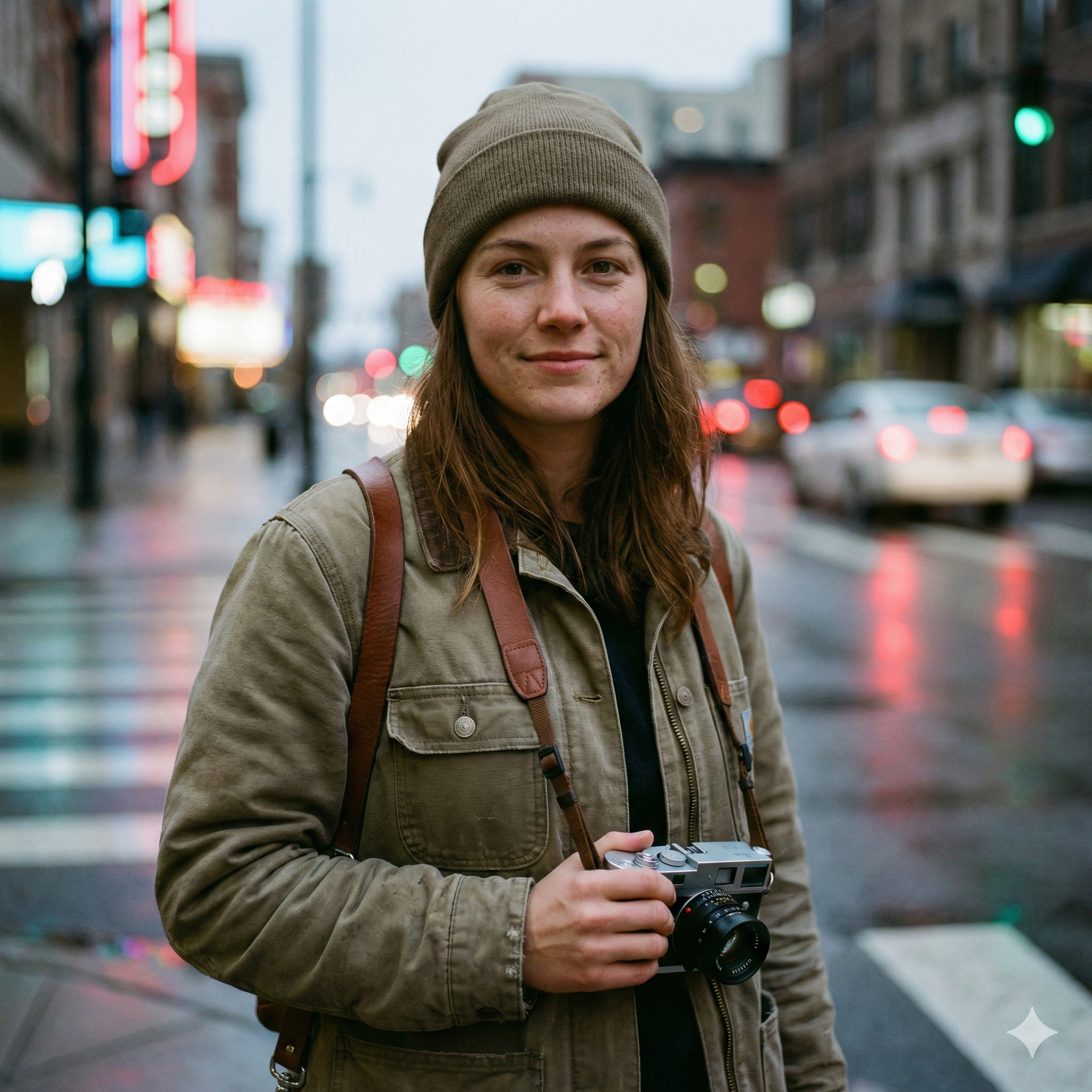
After rainfall, puddles transform into temporary mirrors, offering fresh opportunities for reflection photography. Nighttime introduces artificial lighting, such as streetlamps and neon signs, which can create their own set of intriguing shadows and glimmers. Adapting to each lighting scenario will expand your creative toolkit.
- Scout your location ahead of time to anticipate where shadows and reflections will form.
- Use manual exposure settings for greater control over highlights and shadows.
- Bring a polarizing filter to reduce glare and boost reflection clarity.
- Frame your subject to include both the shadow or reflection and its real-world counterpart.
- Move around your subject to find the most impactful angles and perspectives.
Troubleshooting Common Challenges in Street Reflection and Shadow Photography
Capturing strong shadows and crisp reflections often comes with technical hurdles. Overexposed highlights or underexposed shadow details can diminish image quality. Carefully check your histograms and bracket exposures if needed to preserve both highlight and shadow information.
Reflections may be disrupted by dirty or scratched surfaces, so look for the cleanest spots or use a lens cloth to gently wipe glass if appropriate. Fast-moving subjects can lead to blurred reflections or broken shadow lines, so time your shots or use higher shutter speeds to freeze the moment. Overcoming these obstacles requires patience and adaptability.
Balancing Creativity and Technical Skill
Street photography that emphasizes shadows and reflections rewards both a technical foundation and a creative mindset. Consider how interplay between light, surface, and subject can be used to tell a more engaging story. Strong compositions often come from breaking conventional rules and experimenting in the field.
Ultimately, mastering urban shadows and reflections is an ongoing process. Each outing presents new challenges and unexpected Learn more beauty. With persistence and a willingness to explore, you will refine your skills and develop a distinct photographic voice.
Leave a Reply