
Capturing street portraits is a rewarding challenge for photographers seeking to document authentic moments. The lens you choose has a profound impact on the Textures + People: Making Urban Details Feel Human look and feel of your images. For beginners, selecting between a wide lens and a classic 50mm can shape your creative approach as much as your technical results.
Street portraits often blend candid expressions with dynamic urban environments. Choosing the right focal length affects how close you need to get and how much of the scene you include. This easy guide breaks down the pros and cons of wide lenses versus 50mm, and offers practical tips for newcomers.
Approaching strangers and photographing them on bustling streets can be intimidating. Your lens choice not only determines perspective, but can also influence your interaction and workflow. Let’s explore how to find the best setup for street and candid portraits, plus how to get started with confidence.
Understanding Street Portraits and Their Challenges
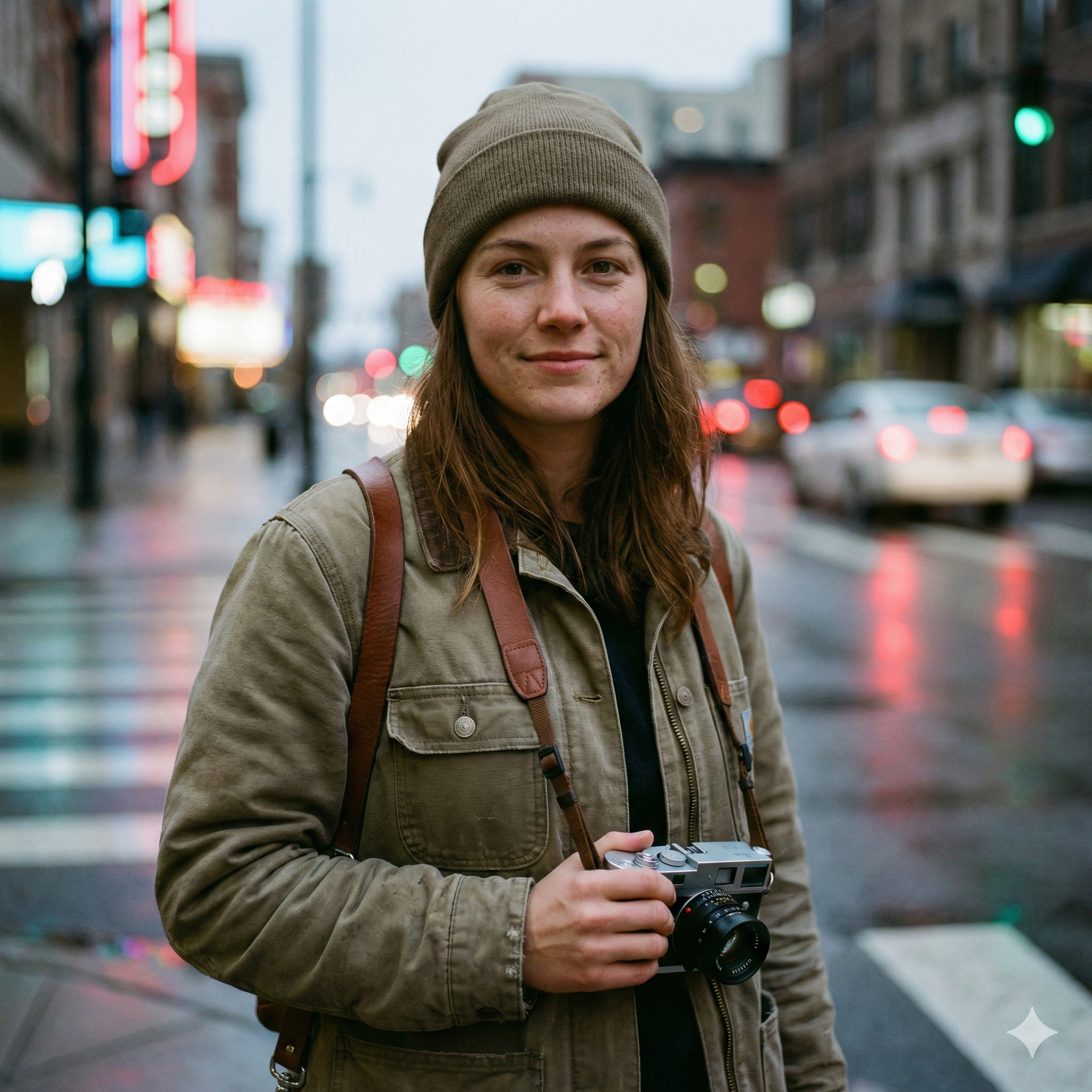
Street portraits strive to capture the essence of real people in their everyday surroundings. Unlike studio photography, you often work with unpredictable lighting and moving subjects. This environment calls for equipment that is both flexible and unobtrusive.
Photographing strangers introduces unique challenges in communication and trust-building. Being respectful and quick with your Crosswalk and Traffic Motion: Turning chaos into a photo gear can make the process smoother. The right lens can help you stay discreet or, conversely, encourage engaging conversations.
Wide Lenses: Dynamic Context and Bold Perspectives
Wide lenses, typically in the 24–35mm range, excel at conveying context and atmosphere. They allow you to include more background, showing subjects within their environment. This can result in images that feel immersive and story-driven.
However, getting close to your subject is necessary to avoid making them appear too small in the frame. This proximity can be intimidating both for you and your subject, but it also enables more engaging and candid moments. Be mindful of distortion, especially at the edges of the frame, which can alter facial features if your subject is near the border.
- Great for environmental portraits
- Encourages interaction with subjects
- Potential for creative composition
- Be cautious of distortion
- Requires getting physically close
The Classic 50mm: Natural Perspective and Flexibility
The 50mm lens is often called the “nifty fifty” for its versatility and natural look. It closely matches the human field of view, making portraits Portfolio Mistakes: Repetition, weak frames, and how to fix appear authentic and relatable. This focal length allows you to maintain a comfortable distance from your subject while still filling the frame.
With less noticeable distortion, the 50mm is flattering for faces and ideal for classic portraiture. It’s also lightweight and typically offers wide apertures, which helps with blurred backgrounds and shooting in low light. For beginners, the 50mm strikes a balance between intimacy and convenience.
Approaching Strangers: Building Confidence and Trust
One of the biggest hurdles in street portraiture is approaching people you don’t know. A friendly attitude and clear communication are essential. Having your camera ready, with settings dialed in, helps you act quickly and reduces awkwardness.
Wide lenses may require you to stand closer, which can feel invasive, so always ask for permission if you sense hesitation. The 50mm allows you to maintain a bit more distance, which can put both you and your subject at ease. Regardless of your lens, respect and gratitude go a long way in building trust.
Essential Portrait Settings and a Beginner Action Plan
Knowing your camera settings in advance will help you capture sharp, well-exposed portraits in changing light. For street photography, use aperture priority mode with a wide aperture (f/1.8–f/4) to blur backgrounds when needed. Keep your ISO as low as possible for less grain, but don’t hesitate to increase it in dim conditions.
Set your autofocus to single point, and consider using continuous autofocus for moving subjects. Shoot in RAW for better editing flexibility later. As a beginner, practice by photographing friends or asking for portraits in less crowded locations to build confidence.
- Scout locations with interesting backgrounds
- Prepare your camera with favorite settings
- Smile and introduce yourself clearly
- Respect when people decline photos
- Review your shots and learn from each experience
Conclusion: Choosing What Works Best for You
Both wide and 50mm lenses offer unique advantages for street portraits. Wide lenses immerse viewers in the scene, while 50mm lenses provide classic, flattering results. Your choice depends on your desired style, comfort with closeness, and how you wish to tell stories.
Experiment with both types of lenses to discover what feels most natural in your hands. Remember that technique and rapport with your subjects are just Learn more as important as gear. With practice and patience, you’ll find your voice as a street portrait photographer and grow more confident with every shot.
Leave a Reply