
Natural light is a fundamental element in photography, especially when capturing compelling street scenes. Choosing the right direction and timing for your shot can transform Quick Street Setup: The 30-Second Settings Checklist an ordinary image into something truly remarkable. Quick positioning in relation to street lights and the sun requires both knowledge and swift decision-making on location.
Understanding how to make the most of street lighting during the golden hour can elevate your street photography. Morning and afternoon light vary significantly, affecting shadows, color tones, and overall mood. Learning to read light and adjust your position accordingly is a valuable skill for any aspiring street photographer.
Pairing natural illumination with artificial street lights can add depth and atmosphere to your images. The right approach helps you highlight both your subject and the character of the urban environment. With a few practical guidelines, you can quickly adapt and make the best use of available light, regardless of the time of day.
The Role of Natural Light in Urban Photography
Natural light behaves differently depending on the time of day, weather, and your location within a street scene. Photographers who master these variables can create dramatic, visually captivating images. Paying attention to the light’s angle and intensity is crucial for getting the desired effect in your photos.
The interplay between sunlight and urban structures offers endless opportunities for creativity. Shadows cast by buildings and street fixtures can add Editing Order Matters: A Beginner Step-by-Step Workflow dynamic elements or serve as compositional guides. Recognizing these moments will greatly improve your ability to capture stunning street photographs.
Golden Hour Magic: Morning vs Afternoon Light
The golden hour, occurring shortly after sunrise and before sunset, provides a soft, warm glow that flatters both people and cityscapes. Morning golden hour tends to bring cooler, crisper tones, which can lend a sense of freshness and tranquility to your images. Afternoon golden hour, on the other hand, often produces warmer, more saturated hues, adding drama and depth.
Both times have their unique advantages. In the morning, streets are typically less crowded and the light is gentle, perfect for serene compositions. Evening golden hour offers vibrant activity and a richer color palette, making it ideal for capturing the hustle and energy of the city.
How to Position Yourself Quickly for the Best Street Light
Speed is essential when working on the streets, as light conditions and scenes can change in seconds. Assess where the natural light is coming from and decide if you B&W Street Mistakes: Flat tones and muddy shadows (fixes) want it behind, beside, or in front of your subject for the desired effect. Moving even a few steps can dramatically alter the impact of lighting on your subject.
Consider the position of street lamps and other artificial lights as well. Pairing natural and artificial lights can highlight specific details or create stunning contrasts within your shot. The key is to maintain flexibility and react instinctively to changing light conditions.
- Face the Sun for striking silhouettes and dramatic backlighting effects.
- Side Lighting emphasizes texture and dimensionality in faces or architecture.
- Use Shadows creatively to frame your subjects or lead the viewer’s eye.
- Pair with Street Lamps for added warmth and visual complexity, especially at dawn or dusk.
- Monitor Cloud Movement as shifting clouds can soften harsh light or introduce new patterns.
Pairing Natural and Artificial Lights: A Practical Guide
Combining sunlight with street lighting requires careful observation and practice. Street lamps are most effective when they complement, rather than overpower, natural light. During mornings and evenings, the balance between the two can bring out details that would otherwise be lost.
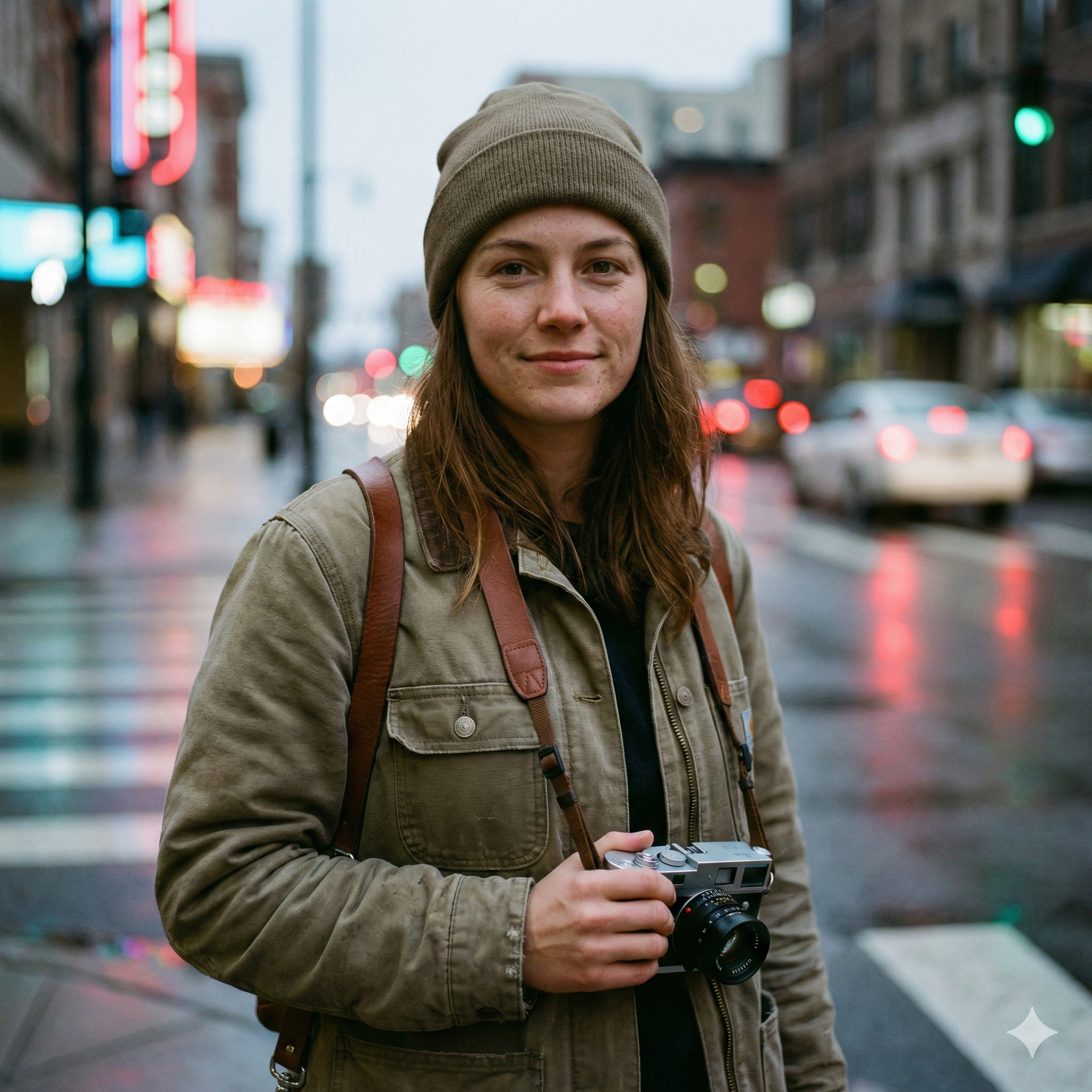
Experiment with different angles to see how light sources interact on your subject. Often, the subtle glow from a lamp can accentuate a face or create interesting reflections on wet pavement. Don’t be afraid to adjust your shooting position until you achieve a harmonious blend of light.
Tips for Adapting to Changing Light Quickly
City environments present rapidly shifting light conditions, especially during the golden hour. Practice scanning your surroundings to identify promising light sources and reflective surfaces. This habit enables you to act quickly and make the most of fleeting opportunities.
Keeping your equipment ready and knowing your camera settings can also save precious seconds. Set your exposure compensation to adapt swiftly to changing brightness and shadow levels. Trust your instincts and don’t hesitate to reposition yourself—sometimes the best shot is just a step away.
Conclusion: Mastering Light for Memorable Street Photos
Understanding and harnessing the direction of light is essential for impactful street photography. By learning to recognize the differences between morning and afternoon light, and by pairing natural and artificial sources, you can create images that stand out. The more you practice quick positioning and light assessment, the faster you’ll be able to capture the mood and story of the streets.
Every street scene offers its own unique lighting challenges and opportunities. With attention to light direction and a willingness to move decisively, you will Learn more consistently produce compelling, well-lit street photographs. Always remember: in street photography, light is not just an element—it is your most powerful tool.
Leave a Reply