
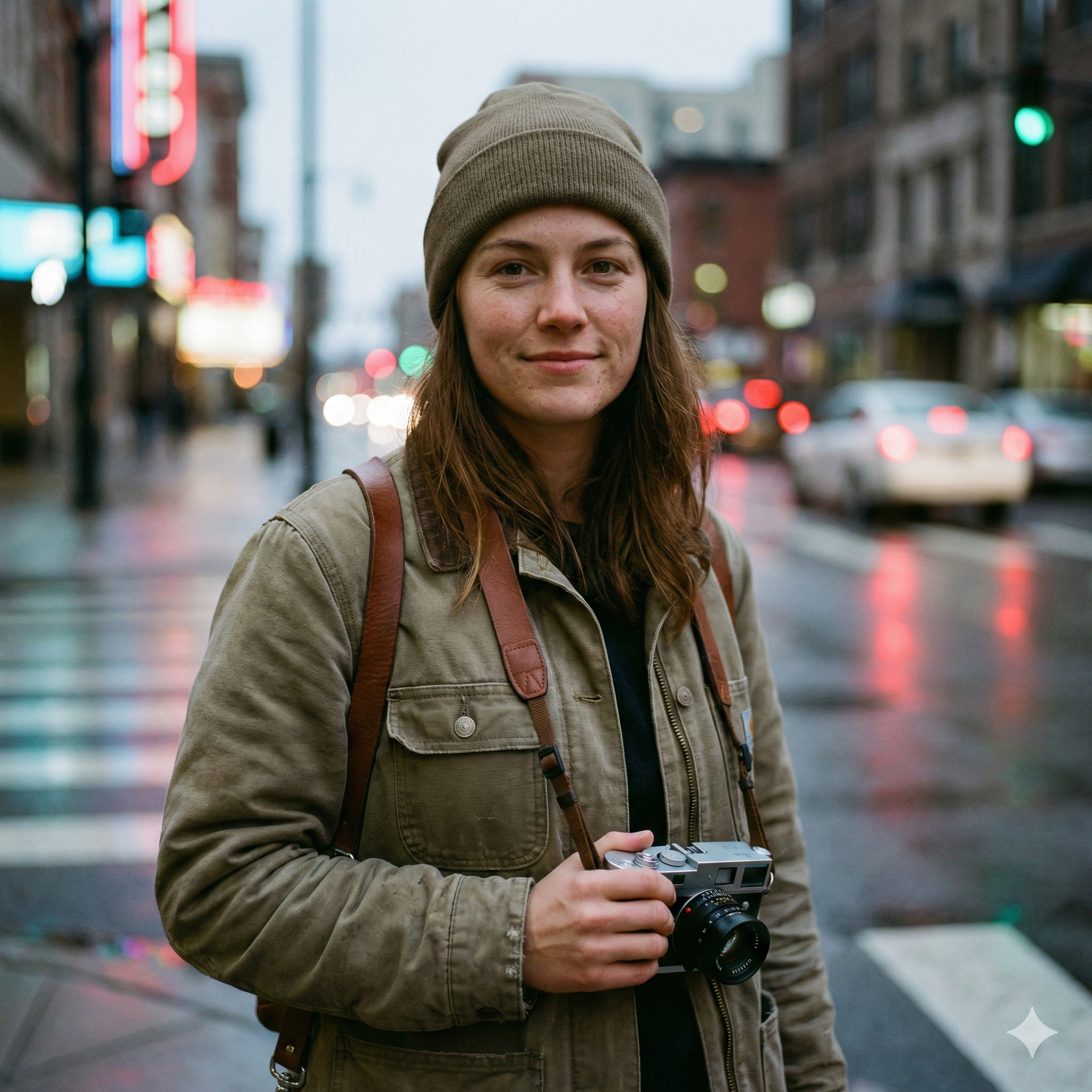
Street portraiture is a powerful way to capture the unique stories of everyday people in candid, authentic moments. Every face holds experiences and emotions that can be conveyed through a How to Photograph Neon Reflections (Beginner Tips) single image, making street portraits a rewarding photographic pursuit. Learning how to tell a story through these images requires both technical skill and a respectful, thoughtful approach.
Approaching strangers and asking to take their portrait can be intimidating, but it is essential for creating genuine and meaningful photographs. Understanding the importance of connection, trust, and context will help you compose images that truly resonate. Simple techniques and best practices can elevate your portraits from ordinary snapshots to compelling visual narratives.
This article will explore key tips for telling a story with street portraits, from establishing rapport with your subjects to optimizing your camera settings. We’ll also discuss how candid moments differ from posed shots and how to adapt your approach to each situation. By following these guidelines, you can create street portraits that not only look great but also communicate something deeper about the people you photograph.
Understanding the Essence of Street Portraits
Street portraits are different from traditional studio photography because they are spontaneous and often involve working with available light and unpredictable environments. The main goal is to capture the subject’s character within the context of their surroundings. This approach results in more genuine and relatable images.
When you photograph someone on the street, you are documenting a slice of life—a visual snippet of their personal story. Paying attention to the interplay between the Long Exposure in Urban Scenes: Beginner-friendly approach subject and their environment can add layers of meaning to your portrait. Always strive to respect your subject’s dignity and privacy, especially when shooting candidly.
Approaching Strangers with Respect and Confidence
One of the most challenging aspects of street portraiture is approaching people you don’t know. Confidence and openness go a long way toward putting both yourself and your potential subject at ease. Begin with a friendly greeting and explain why you are interested in photographing them.
Building a rapport, even if just for a moment, can result in more relaxed and engaging portraits. Make sure to listen to any concerns and respect their wishes if they decline. If the person agrees, thank them and show gratitude for their time and trust.
Choosing the Best Settings for Portraits on the Street
Technical settings play a crucial role in the outcome of your street portraits. Balancing aperture, shutter speed, and ISO helps ensure your subject is well-exposed and in How Many Photos to Post: Quality vs quantity (practical guide) focus, even in changing light. A wide aperture (such as f/2.8 or f/1.8) is often preferred because it isolates the subject from the background, creating a pleasing blur.
Because the street is full of movement, a fast shutter speed is helpful for freezing action and avoiding motion blur. Adjust your ISO as necessary to maintain proper exposure, especially in low-light conditions. Don’t forget to consider your focal length—short telephoto lenses (like 85mm) are popular for flattering and intimate portraits.
Candid vs. Posed: Choosing Your Approach
Street portraits can be both candid and posed, each approach offering distinct storytelling opportunities. Candid portraits capture genuine expressions and spontaneous moments, often revealing more about the subject’s character. These images usually require discreet observation, quick reflexes, and anticipation of decisive moments.
Posed portraits allow for greater interaction and direction, giving you control over composition and lighting. If you choose a posed approach, communicate clearly and encourage natural behavior rather than rigid posing. Often, the best portraits are those that blend elements of both candid and posed techniques.
Best Practices for Memorable Street Portraits
To consistently create striking street portraits, adopt a few best practices. First and foremost, always obtain consent when identifiable faces are involved—it builds trust and protects everyone’s rights. Consider carrying printed copies or sharing digital versions of your portraits with your subjects as a gesture of appreciation.
Here are some essential tips to keep in mind:
- Be observant: Watch for interesting faces, gestures, or interactions before approaching.
- Engage with empathy: Approach everyone with kindness and understanding.
- Use natural light: Position your subject so that soft, even lighting flatters their features.
- Pay attention to the background: Avoid distractions and clutter that might detract from your subject.
- Be patient: Sometimes the best moments require waiting for the perfect expression or scene.
Remember, your goal is not just to take a picture but to convey a story, emotion, or connection through your image. Reviewing your images after each session can help you spot patterns and refine your technique. Over time, your confidence and skill in telling stories with street portraits will grow.
Conclusion: Telling Stories Through Street Portraits
Street portraiture is a unique blend of technical expertise, creative vision, and human connection. By approaching your subjects thoughtfully and employing simple techniques, you can create images that resonate on a personal level. Each portrait becomes a window into someone else’s world, inviting viewers to imagine the stories behind the faces.
Practicing regularly and reflecting on both your successes and challenges will help you develop your own voice as a street photographer. Stay curious, respect your subjects, and never stop experimenting; Learn more the streets are full of untold stories waiting to be captured. Ultimately, the most powerful street portraits are those that make us feel something—about the subject, the setting, or perhaps even ourselves.
Leave a Reply