
Exploring textures and reflections photography ideas for beginners is a powerful way to grow your creative skills. In fact, focusing on these themes can help any newcomer see the world in surprising ways. Learning to capture texture and reflection opens up a new visual language that is both accessible and rewarding.
These subjects let you make stunning images without expensive gear. You do not need a special studio—just a camera or even a smartphone. Because of this, anyone can start right now, finding special patterns and mirrored scenes almost anywhere.
In this article, you will find creative ideas and simple techniques linked to the world of textures, reflections, and shadows. Each tip is designed for beginners and is rooted in practical examples, so you can try these ideas as soon as today. Let’s step into the art of textural and reflective photography.
Essential Textures and Reflections Photography Ideas for Beginners
If you want to get results fast, start by looking for texture and reflection in everyday places. This section covers foundational ideas that will help you notice and capture these elements in your own photography.
Texture refers to the surface quality of objects. For example, rough bark, cracked paint, or woven fabric all have texture that shows in photos. Reflections, on the other hand, involve light bouncing off a surface, such as water or glass, to make mirrored images.
To begin with, start exploring at home or outside your front door. You may find cracked sidewalks, peeling walls, or shiny car windows. As a result, you train your eye to spot patterns, lines, and unique lighting. Photography experts at Digital Photography School recommend getting close to textured subjects. This fills your frame and shows every detail, making the texture stand out.
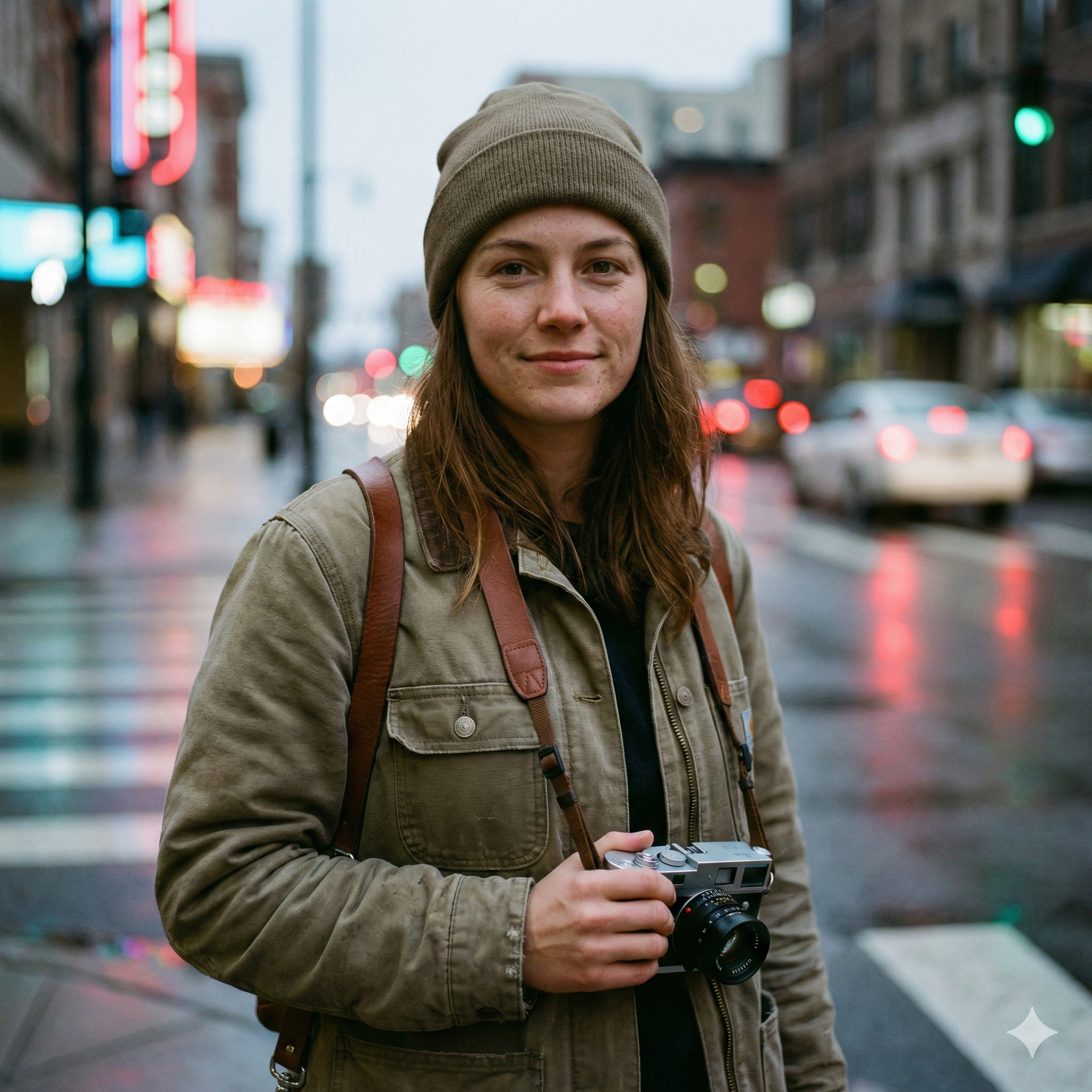
For reflections, seek out glass tables, puddles, kitchen metal surfaces, or even smartphone screens. Try shooting on rainy days for easy puddle reflections. In addition, cityscapes after rain glow with unexpected mirrored colors.
Many beginners worry that textures only work outdoors. However, indoor scenes offer great practice, too. Consider textured wood tables, fuzzy blankets, or even wrinkled shirts. Aim for side lighting—a window or a lamp placed off-center. This makes the raised pattern and shadow pop.
In summary, the more you look, the more you see. Challenge yourself to photograph five textures and five reflections this week. Review your shots to discover patterns you like and styles you want to develop.
Getting Close: Macro and Detail Shots for New Photographers
Close-up photography, or macro shots, is perfect for showing texture. Most smartphones now have a macro mode. Hold your phone a few inches from the subject and focus until the fine details are sharp.
For example, try zooming in on the veins of a leaf or the grain of a cutting board. Adjust your angle; sometimes, shooting from the side emphasizes the shadow and highlight. In addition, soft natural light from a window can help reveal subtle texture.
For reflective shots, experiment with glass items like cups or mirrors. Try placing small objects next to them. Because of this, you can capture creative double images that play with symmetry or distortion.
If you want more inspiration, check photo communities like Flickr’s Textures Pool to see real examples from hobbyists all over the world.
Practical Camera Settings and Lighting Tips for Stunning Results
Learning proper camera settings can make your textures and reflections look even better. Beginner cameras and smartphones often have smart auto modes, but changing a few settings will quickly boost your results.
First, for texture, use a narrow aperture, such as f/8 or higher, if your camera allows manual settings. This increases the depth of field, helping keep the textured object in sharp focus. For smartphones, tap to focus right on the most detailed area.
In low light, increase ISO but avoid going too high, or your picture will look grainy. Use a tripod or set your camera on a stable surface. This lets you shoot with slower shutter speeds, capturing more light while keeping the image sharp.
Lighting is just as important. Side lighting works best for texture, as it casts gentle shadows that highlight every bump or ridge. If you only shoot with overhead light, your photo may look flat. Move your subject near a window in the morning or late afternoon for softer, directional light.
For reflections, try shooting early or late in the day. At these times, the sun is low, and reflections in windows or puddles are more colorful. Polarizing filters can also help by reducing unwanted glare and boosting colors, though many beginners shoot reflections without any filter to capture natural effects.
Another idea is to use a flashlight or phone torch, especially indoors or at night. Aim the light from the side for texture, or shine it on a glossy surface to play with highlights. Take several shots from different angles for comparison.
Finally, do not worry about expensive gear. Many award-winning images are taken on phones. It is more important to understand light and composition than to own the latest camera.
Creative Project Ideas for Practicing Textures and Reflections
When you want to improve fast, practical projects help you stay motivated. Here are project-based ideas that bring together texture, reflection, and shadows for beginners aiming to build a rich portfolio.
1. Texture Hunt Challenge Choose a room or a short walk route. Aim to photograph 10 totally different textures in 30 minutes. For example, the bumpy surface of a wall, the woven seat of a chair, rough pebbles, or frost on a window. In addition, try editing these in black and white. This often makes texture stand out even more.
2. Reflections in Motion Look for reflective surfaces around you—moving cars, rain puddles, or sunglasses. Capture the same scene with and without a reflection for comparison. For extra creativity, find a water puddle and gently ripple the surface before you take the shot. The result is a dreamlike, painterly image.
3. Shadow and Pattern Play Combine all three: texture, reflection, and shadow. For example, shoot a patterned shadow falling over a textured surface, like lace curtains on a rough countertop. Or, photograph your reflection in a window, with shadows from plants behind you.
In fact, beginner photographers often improve faster by setting simple, concrete goals. Choose a project each week and review your process. Share results with friends or online groups to get feedback and new ideas.
Statistically, photography forums like DPReview report that hobbyists who complete photo challenges practice more often and grow faster. Therefore, building a routine around these projects is a proven way to get better.
Editing Tips to Highlight Texture and Reflections
Digital editing can help you make your photos stronger. However, beginners sometimes go overboard. The goal should be to highlight what you saw, not fake it with filters.
For texture, simple adjustments to contrast and clarity can be powerful. Increasing contrast makes the highs and lows pop, while the clarity slider, available in most editing apps, helps rough surfaces stand out. Crop in tighter on interesting patterns to increase focus on the details.
In addition, try moving your photo to black and white. This removes distracting color and puts all attention on the lines, shadows, and patterns in your shot.
For reflections, sometimes you want to make color stronger or remove unwanted streaks. Increase vibrance slightly to enhance color. Use the healing brush or clone tool in free apps like Snapseed to fix blemishes in reflective surfaces.
On smartphones, apps like Lightroom Mobile or Snapseed are easy to learn and have tools built for beginners and pros alike. Take time to experiment with sliders, but always compare your edit with the original. In other words, do not lose the natural charm of your shot for an artificial look.
If you shoot with a DSLR or mirrorless camera, consider editing RAW files (not just JPEGs). You will have more room to recover shadow and highlight detail, especially in tricky light.
Many beginners skip editing, thinking it is only for pros. However, even small tweaks can change a good photo into a great one. Because of this, learning basic photo editing is worth your time.
Conclusion
Exploring textures and reflections photography ideas for beginners brings energy and discovery to your camera journey. By seeking out new surfaces, playing with light, and practicing creative projects, you uncover patterns hiding in everyday life. Simple camera settings and natural light give you strong results, while basic editing finishes your images with style.
In summary, the best way to learn is by doing. Therefore, take the challenges above, review your work, and keep growing. For more tips, visit trusted sources like Digital Photography School or join online challenges that focus on texture and reflection.
Start with your phone or camera today. In a few weeks, you will see the world—and your photography—differently.

Leave a Reply